
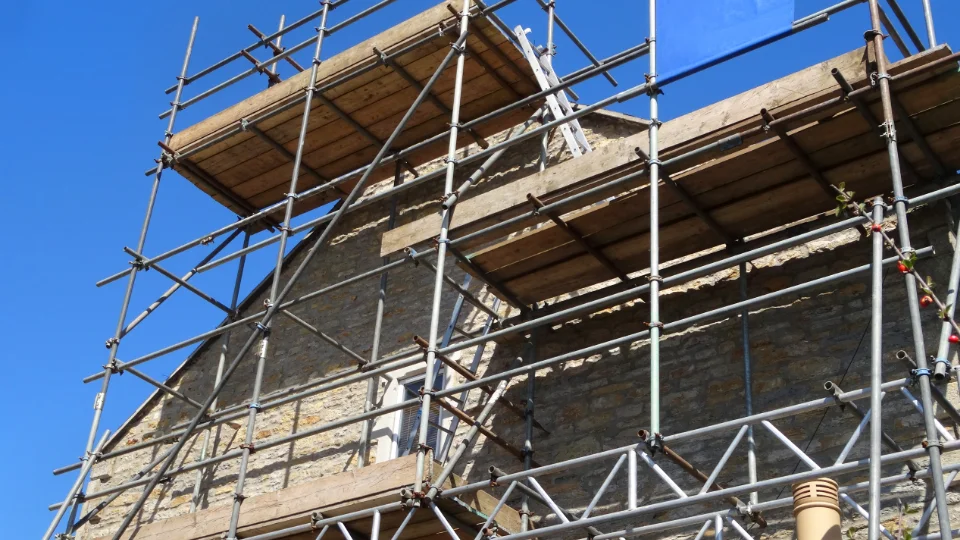
Brick and stone can last for generations, but the mortar between each unit is designed to take the brunt of weather exposure and building movement. As those joints wear down, small openings can admit water and place added stress on the surrounding masonry. Timely masonry repointing restores deteriorated joints before localized wear develops into a more extensive repair.
At Utmost Masonry Restoration, we work with homes, commercial facilities, and historic properties across Central Ohio. The right repair depends on the building, its mortar, and the type of brick or stone in place.
What Is Masonry Repointing?
Masonry repointing is the process of removing loose, cracked, or deteriorated mortar from the joints between bricks or stones and installing new mortar. The work is targeted at the joints rather than the masonry units themselves. When completed correctly, it renews the wall’s protective network while retaining sound brick or stone.
Repointing is different from covering old mortar with a thin surface layer. New mortar needs clean joint depth for a secure bond. Its mix, color, texture, and profile should also suit the existing wall.
Mortar Joints Help Hold the Assembly Together
Mortar does more than fill gaps. It beds masonry units, distributes loads, accommodates modest movement, and helps the wall manage moisture. Once joints become deeply recessed or begin falling out, the wall loses part of that support.
Proper masonry repointing replaces the worn portion of the joint with a well-compacted repair. This helps owners address isolated deterioration before bricks, stones, or larger wall sections require replacement.
Repointing Limits Water Entry
Open mortar joints give rain and melting snow a direct path into a wall. Moisture can then travel behind the surface, contribute to interior dampness, corrode embedded metal, or aggravate existing cracks. During cold Ohio weather, trapped water may freeze and expand, placing pressure on nearby mortar and masonry.
Masonry repointing closes vulnerable joints while allowing a compatible wall system to release moisture. Related water sources, such as failed flashing, damaged coping, leaking gutters, or open sealant joints, also need attention. Repointing cannot solve a separate leak by itself.
The Right Mortar Protects Brick and Stone
A successful repair must account for the hardness and permeability of the original wall. Mortar that is too hard can force stress and moisture into softer brick or stone. Over time, the masonry faces may crack, flake, or break away while the rigid replacement mortar remains intact.
Masonry repointing starts with evaluating the existing units and mortar. Historic structures often call for a softer, more vapor-permeable mix. Color and aggregate selection also shape the finished appearance.
Signs Your Structure May Need Masonry Repointing
Property owners often notice joint problems during a routine walk around the building. Common signs include mortar that crumbles when lightly touched, gaps or holes in joints, stair-step cracking, loose masonry units, and joints that have eroded well behind the face of the wall. Damp interior areas, rust staining, or recurring leaks near masonry can also justify a closer inspection.
Not every weathered joint needs removal. Sound mortar should usually remain in place, particularly on historic masonry. A professional assessment can identify failed areas and determine if spot repairs or broader masonry repointing is appropriate.
Careful Preparation Leads to a Lasting Repair
Good results depend on joint preparation. Deteriorated mortar must be removed without widening the joint or chipping adjacent units. After cleaning, compatible mortar is packed firmly into the opening. Deeper joints may require several compacted layers.
The final profile should match the building’s existing joint style. Controlled curing is equally important because mortar that dries too quickly can shrink or crack. Skilled masonry repointing combines material knowledge, careful tool use, and close attention to weather conditions throughout the project.
Preserve the Character and Value of Your Property
Fresh, consistent joints improve appearance, but the larger benefit is preventive care. Addressing failed mortar can reduce water exposure, protect adjacent masonry, and preserve architectural details. On historic properties, an appropriate repair also helps retain original character.
Utmost Masonry Restoration has served Central Ohio since 2000 with a strong focus on building restoration and historic preservation. Our team provides masonry repair, mortar joint repointing, brick replacement, stone restoration, and related exterior services for residential and commercial properties.
Schedule a Masonry Assessment
If you see crumbling joints, open gaps, loose units, or signs of water entry, early action can keep the repair focused. Contact Utmost Masonry Restoration to schedule a complimentary assessment. We will review your brick or stone structure and recommend a masonry repointing plan suited to its condition, appearance, and construction.
Frequently Asked Questions
How often is masonry repointing needed?
There is no fixed schedule for every building. Exposure, mortar type, drainage, previous repairs, and workmanship all affect the rate of wear. Periodic inspections can identify failing joints before larger repairs are needed.
Can new mortar be placed over old mortar?
A thin surface application usually lacks the depth needed for a durable bond. Loose material should be carefully removed back to sound mortar so the new mix can be packed and tooled correctly.
Why does mortar compatibility affect brick and stone?
Replacement mortar should work with the strength and moisture behavior of the existing masonry. A mix that is too hard or dense can redirect stress and moisture into softer units, leading to cracks or surface loss.
Is repointing only for historic buildings?
No. Historic properties often require specialized mortar analysis and joint matching, but newer homes, commercial buildings, chimneys, walls, and other masonry structures can also need joint repair as mortar deteriorates.

Mark Huffer is the founder and President of Utmost Masonry Restoration, a company dedicated to building restoration and historical preservation. With a strong foundation in business, specialty construction, and a lifelong passion for craftsmanship and historic architecture, Mark has become a recognized expert in building facades and a top restoration consultant in Ohio. Born and raised in Circleville, Ohio, Mark holds a master’s degree in International Political Economy from Miami University and brings a unique blend of academic insight, executive leadership, and hands-on construction experience to his work.