
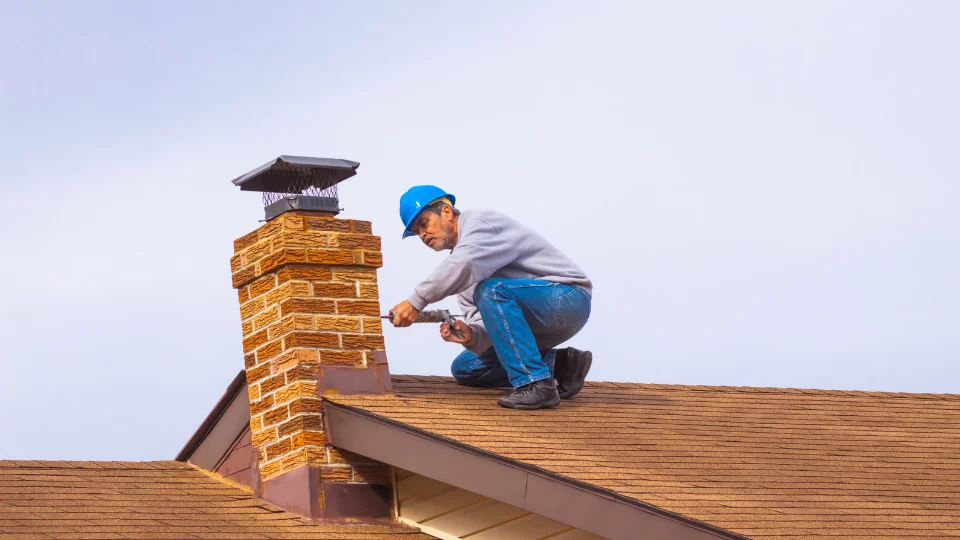
Exterior walls face rain, wind, sunlight, temperature swings, and seasonal movement throughout the year. Even a well-built wall can develop vulnerable gaps where windows, doors, vents, trim, masonry, metal, and other materials meet. Caulking closes these joints so they can resist weather while still accommodating normal movement.
Good caulking is a small part of an exterior restoration project with a major protective role. The right product and joint design can reduce moisture intrusion, limit air leakage, and help surrounding materials remain stable.
Exterior Walls Are Made of Moving Parts
An exterior wall may look solid, but it is a system of different materials. Brick, concrete, stucco, EIFS, glass, metal, and wood expand and contract at different rates as temperature and moisture levels change. The joints between them must be able to absorb some of that movement.
Rigid patching can crack in a joint that needs flexibility. Caulking creates an adaptable seal that moves without immediately opening a path into the wall.
Caulking Helps Limit Water Intrusion
Water entering an open joint can reach concealed components and contribute to corrosion, staining, wet insulation, or damage around openings. Freeze and thaw cycles create added stress when trapped moisture expands.
The Building America Solution Center recommends replacing cracked or missing exterior caulk around windows, doors, and trim to help prevent water from entering wall assemblies. Professional caulking also addresses storefronts, curtain walls, control joints, service penetrations, and material transitions. A continuous, well-bonded bead supports the wall’s broader moisture-management system.
Flexible Joints Reduce Stress on Wall Materials
Movement is unavoidable, especially on large commercial facades and walls exposed to direct sunlight. Sealant joints are designed to compress and stretch within their rated movement capacity. This flexibility helps reduce concentrated stress along transitions where harder materials meet.
Successful caulking depends on joint width, depth, shape, and product selection. Backer rod can control sealant depth and support a profile that moves correctly. A poorly formed bead may fail early.
Sealed Openings Protect Vulnerable Edges
Windows, doors, vents, pipes, light fixtures, and other penetrations interrupt the exterior wall. Each interruption creates edges that must connect correctly with nearby flashing, cladding, and water-control layers.
Caulking closes exposed joints at many of these locations and can keep wind-driven rain from entering small gaps. Around masonry openings, a failed perimeter seal can allow water behind the frame or nearby facade materials.
Air Sealing Can Support Building Performance
Small exterior gaps can also allow uncontrolled air movement. Drafts may reduce occupant comfort and make heating or cooling systems work harder. The U.S. Department of Energy identifies caulk as a common air-sealing material for stationary cracks and openings around components such as windows and doors.
Exterior caulking alone does not create a complete air barrier, but it can support one when coordinated with other building-envelope layers. An assessment identifies which joints control water, air, movement, or several conditions.
Neat Sealant Lines Preserve Exterior Appearance
Open seams, cracked beads, and peeling material can make a facade look neglected. Fresh caulking creates cleaner transitions, and color-matched products can blend with surrounding surfaces.
The product must still suit the substrate and exterior exposure. A polished bead that does not adhere properly will not provide reliable protection.
Product Compatibility Is Critical
No single sealant is right for every wall. Silicone, polyurethane, and other formulations offer different levels of movement, adhesion, weather resistance, paintability, and compatibility. Porous masonry may also require specific preparation or primer.
Choosing caulking based only on color or price can cause poor adhesion, staining, or early failure. The National Park Service notes that flexible sealants can serve between materials with different expansion characteristics, but should not replace mortar when a joint needs repointing.
Installation Quality Determines Performance
New sealant performs best on a clean, dry, properly prepared surface. Failed material and loose debris generally need to be removed before the joint is rebuilt. Installers must also check for damaged masonry, failed flashing, or other defects that a surface bead cannot correct.
Periodic inspections can identify separation, cracking, hardening, or gaps before water finds a path inside. Timely repair is more manageable than widespread wall damage.
Caulking Works as Part of a Complete Wall System
Sealant is valuable, but it is not the wall’s only defense against moisture. Flashing, drainage planes, weep systems, coatings, sound mortar joints, and properly installed cladding each have distinct roles. Sealing the wrong opening can even interfere with drainage.
At Utmost Masonry Restoration, we evaluate the surrounding wall before recommending a repair. Our team provides joint sealing, weatherproofing, high-performance sealant refinishing, and exterior restoration for residential and commercial properties in Central Ohio. We work with masonry, concrete, EIFS, stucco, storefronts, curtain walls, and other facade systems.
Contact Utmost Masonry Restoration to schedule an exterior assessment. We can identify failed joints, select compatible materials, and complete precise caulking that supports a more durable and attractive building exterior.
Frequently Asked Questions
How often should exterior caulking be inspected?
Inspect exterior joints at least once a year and after severe weather or visible facade movement. Cracks, gaps, peeling edges, hardening, and separation from the substrate are signs that service may be needed.
Can new caulk be applied over an old bead?
Applying new material over a failed bead usually produces a weak repair. Old sealant and debris should typically be removed so the replacement product can bond to a clean, dry, compatible surface.
Is sealant the same as masonry mortar?
No. Flexible sealant is used for selected joints that need movement or weather protection. Mortar bonds masonry units and is used for repointing deteriorated mortar joints. A professional can determine which repair fits the location.

Mark Huffer is the founder and President of Utmost Masonry Restoration, a company dedicated to building restoration and historical preservation. With a strong foundation in business, specialty construction, and a lifelong passion for craftsmanship and historic architecture, Mark has become a recognized expert in building facades and a top restoration consultant in Ohio. Born and raised in Circleville, Ohio, Mark holds a master’s degree in International Political Economy from Miami University and brings a unique blend of academic insight, executive leadership, and hands-on construction experience to his work.